Natural Wine, or Why So Many People Are Falling for Imperfection.
March 25, 2026
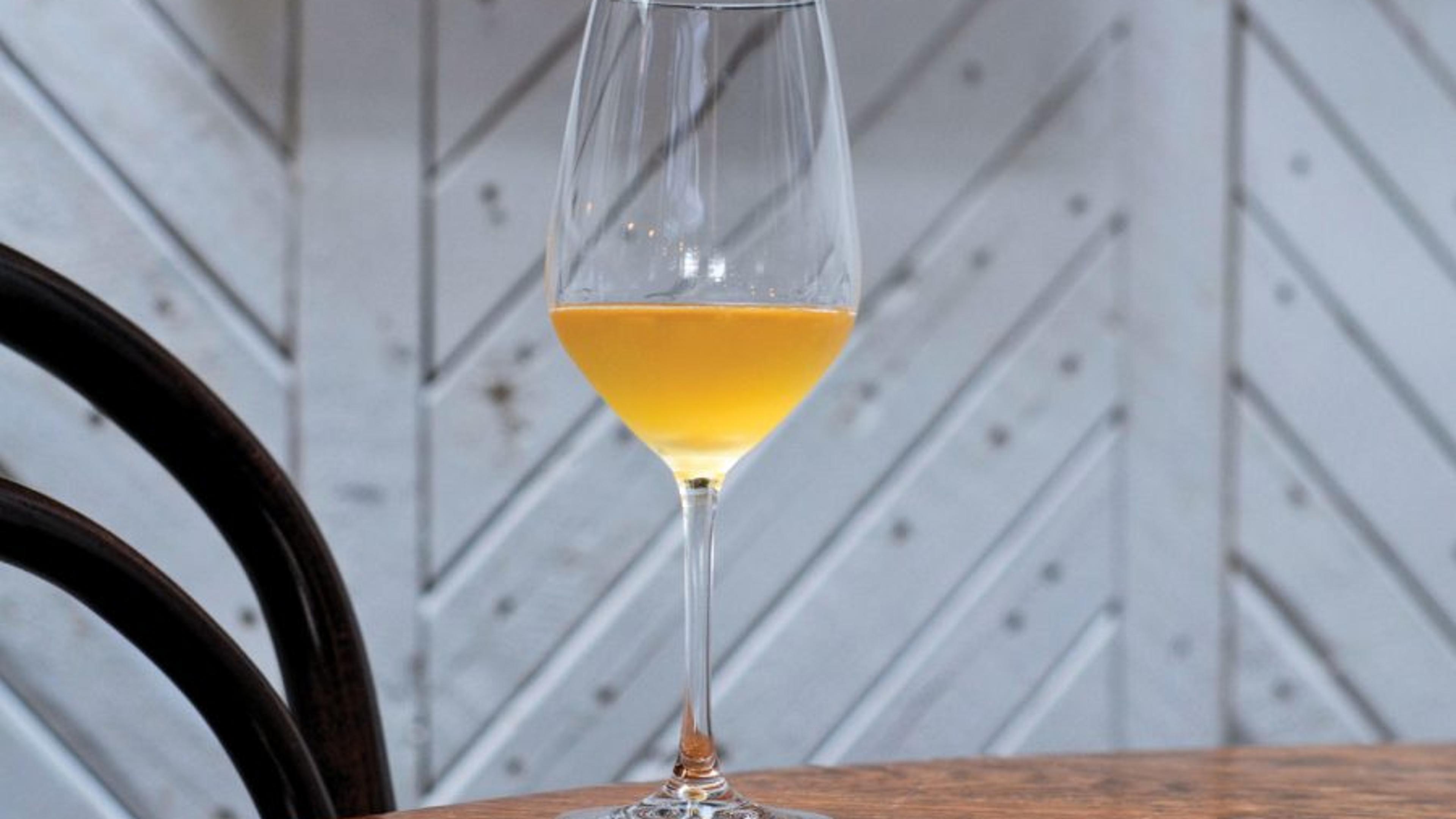
This piece is about natural wine and why it resonates right now. Less control, more life in the glass, and a growing desire for things that feel real. Plus a personal note on a bottle I recently tried and genuinely loved.
Natural wine is one of those subjects that starts arguments at the table almost as fast as politics. Some people adore it, some roll their eyes, and some still think it simply means cloudy wine with a funky label. The truth is more interesting. “Natural wine” still has no single universal legal definition, but the broad idea is consistent: grapes grown organically or biodynamically, hand harvested, fermented with native yeasts, and made with as little intervention in the cellar as possible.
In France, the best known formal framework is the Vin Méthode Nature charter, which requires certified organic grapes, manual harvest, indigenous yeasts, and either no added sulphites or very low additions under strict limits.
That minimal intervention matters because it changes the whole philosophy of winemaking. The point is not to “perfect” the wine until every vintage tastes the same. The point is to let the vineyard speak first. In practical terms, that often means avoiding cultured yeasts, heavy filtration, acidification, aggressive correction, and the long list of additives that can make wine more stable and predictable but sometimes less alive.
Even organic wine, by EU rules, is not the same thing as natural wine: organic production is regulated, and organic wines may still contain added sulphites, although at lower levels than conventional wines, and certain practices are restricted or banned.
So why is natural wine suddenly everywhere, from tiny bars in Paris to ambitious restaurants in London, Copenhagen, Berlin, New York and Tokyo?
Part of the answer is cultural. People are tired of polished, standardized products. They want food and drink that feel more transparent, more local, more human. Academic research also points in the same direction: consumer interest in natural wine is strongly linked to ideas of sustainability, authenticity, health perception, and environmental responsibility. Studies have found that buyers drawn to natural wine often care deeply about the social and ecological meaning of what they consume, not just the flavor in the glass.
Another reason is emotional, and wine people do not always admit this enough. Natural wine can be thrilling because it does not feel factory-made. A great bottle can seem a little wild, a little unpredictable, sometimes even gloriously messy. When it works, it offers texture, energy and personality in a way that is hard to fake. Of course, minimal intervention is not an excuse for flawed winemaking. Volatile acidity, mouse, oxidation, or instability are not automatically charming. The best natural producers are interesting not because they “do nothing,” but because they know exactly when not to interfere.
If you want a few names that really matter, Marcel Lapierre belongs near the top of the conversation. At Domaine Marcel Lapierre in Morgon, the estate describes itself plainly: organic farming, fermentation without additives, sulfur always low and in some bottlings absent altogether. Lapierre became one of the defining figures of Beaujolais’ natural wine movement, and his wines helped prove that low intervention could still produce bottles of depth, charm and ageability, not just youthful rebellion.
Nicolas Joly is another essential figure, even if he sits slightly adjacent to the trendier side of natural wine. At Coulée de Serrant in the Loire, he became one of the world’s most influential advocates of biodynamic farming and native yeast fermentation. His importance is not just in the wines themselves, but in the larger argument he made: that vines should be farmed as living organisms in a living ecosystem, not as raw material for an industrial beverage. Whether one agrees with all his philosophy or not, his influence on low intervention thinking is impossible to ignore.
Then there is Frank Cornelissen on Etna, one of the most radical and fascinating examples of the minimal intervention mindset. His estate works without herbicides, pesticides or other chemicals, and his wines are fermented with indigenous yeasts. The result is not “natural wine” as an urban fashion statement, but a serious attempt to transmit the raw force of Etna through wine. Cornelissen’s bottles are compelling because they are not trying to smooth out the mountain. They carry its tension, altitude and volcanic nerves.
Radikon, in Friuli, is equally important, especially for anyone interested in skin contact whites and orange wine. The estate’s story is tied to a decisive rejection of chemical farming and to long maceration, native fermentation, and patience in élevage. Radikon did not simply follow a trend. It helped create a whole visual and sensory language that many younger natural winemakers now take for granted.
My most recent discovery is Empreinte by Benoît Courault, a Loire Chenin Blanc. Retailer listings for that wine describe it as 100 percent Chenin Blanc, vinified without additives, with slow fermentation and ageing in old barrels. I recently tried this wine and honestly, I loved it way too much so I ordered 6 bottles!It has that very thing people chase in natural wine: not loudness, not a gimmick, but energy. It just feels alive and leaves an impression that is more tactile than polished, which makes the name, Empreinte, feel exactly right.
In the end, natural wine is part of a much broader shift. People want bread with fewer ingredients, skincare with fewer unnecessary chemicals, vegetables from farms they can trust, clothes made with less waste, and wine that tastes less engineered. Not everyone wants the same thing, and not every “natural” product is automatically better. But the instinct behind the movement is easy to understand: we are hungry for things that feel less manipulated and more real. Natural wine fits that mood perfectly. At its best, it reminds us that wine is not supposed to be spotless. It is supposed to be alive.
photo:therealreview.com