Between Chaos and Meaning: How Contemporary Art Works
March 31, 2026
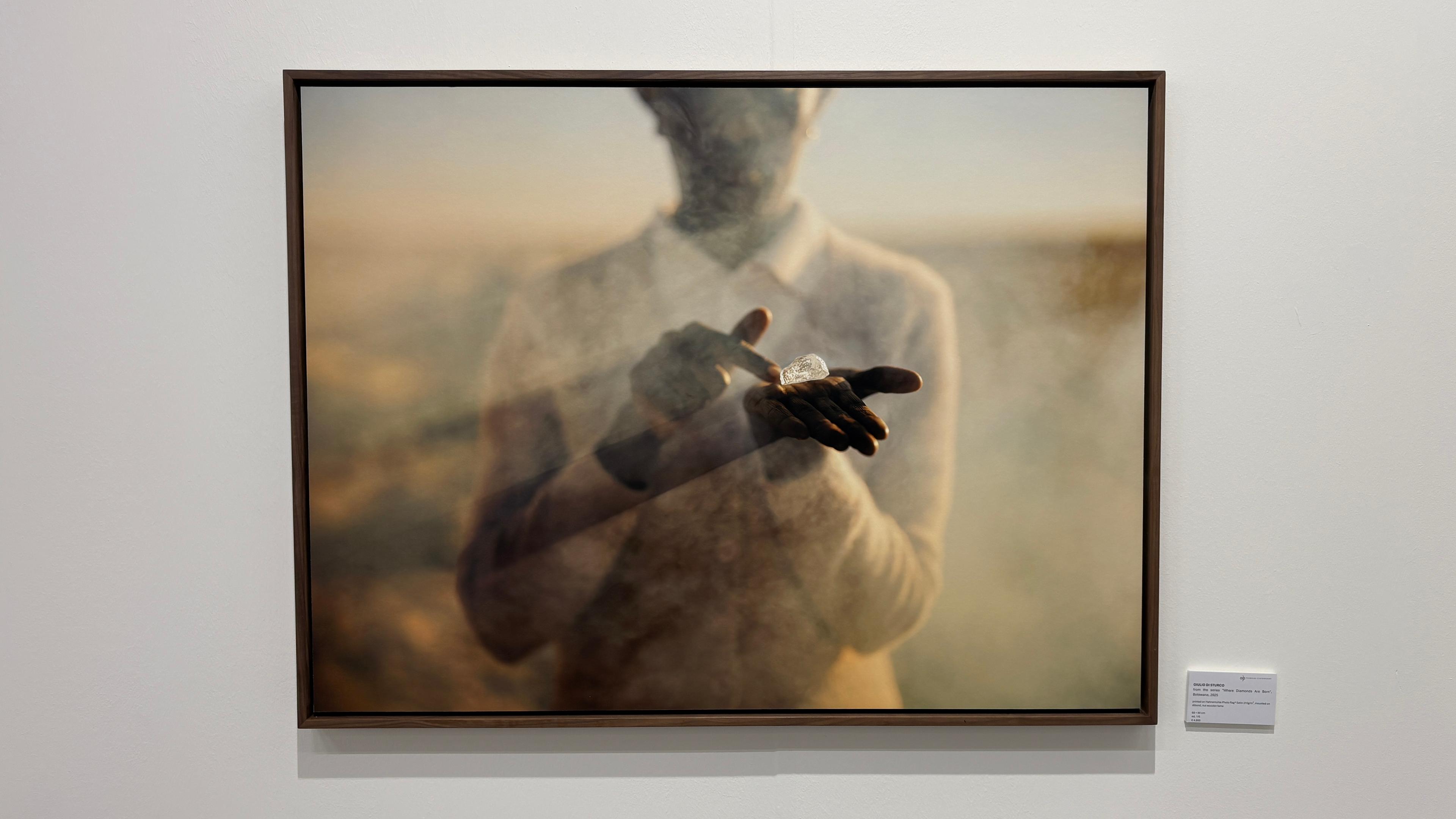
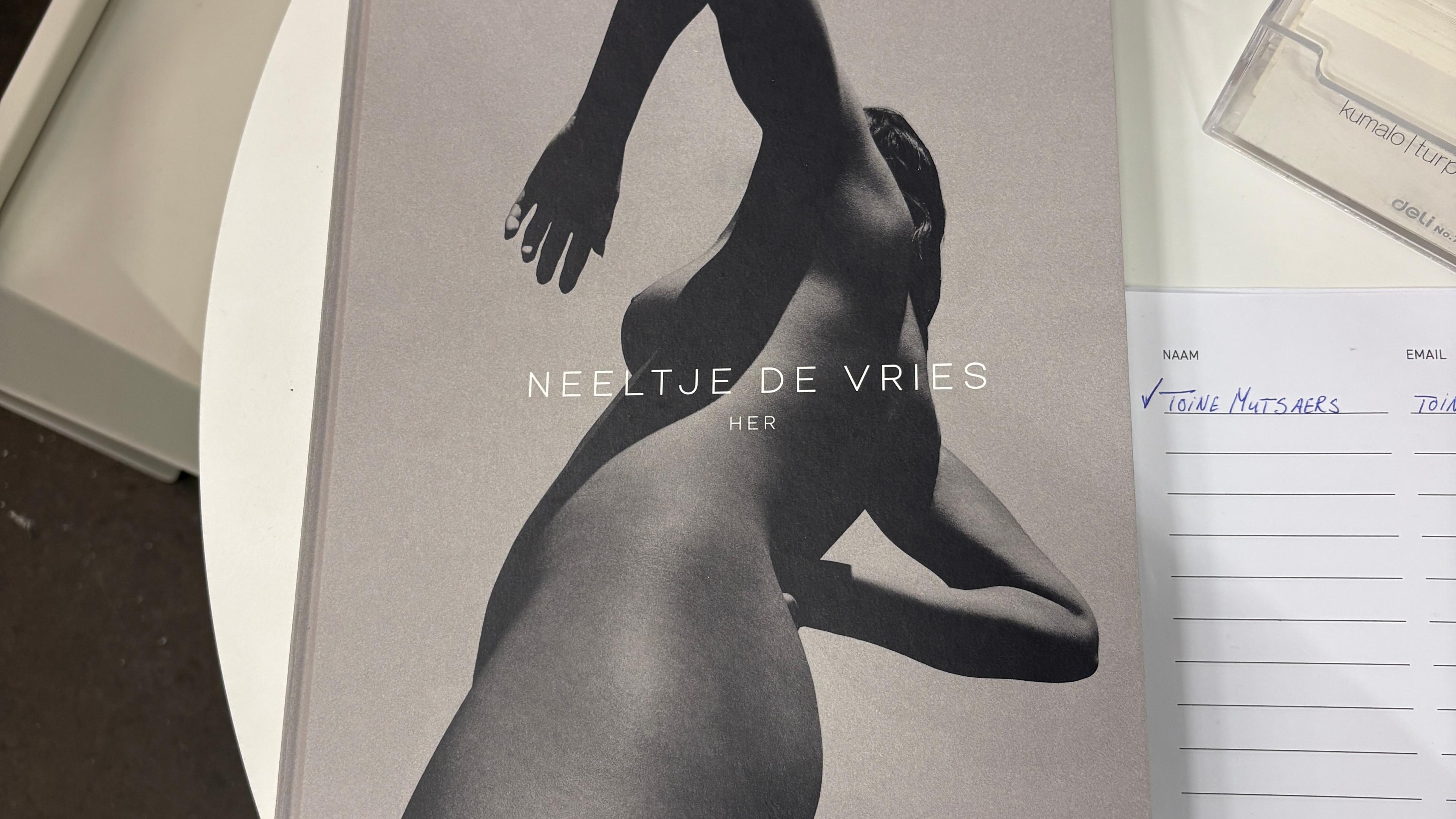
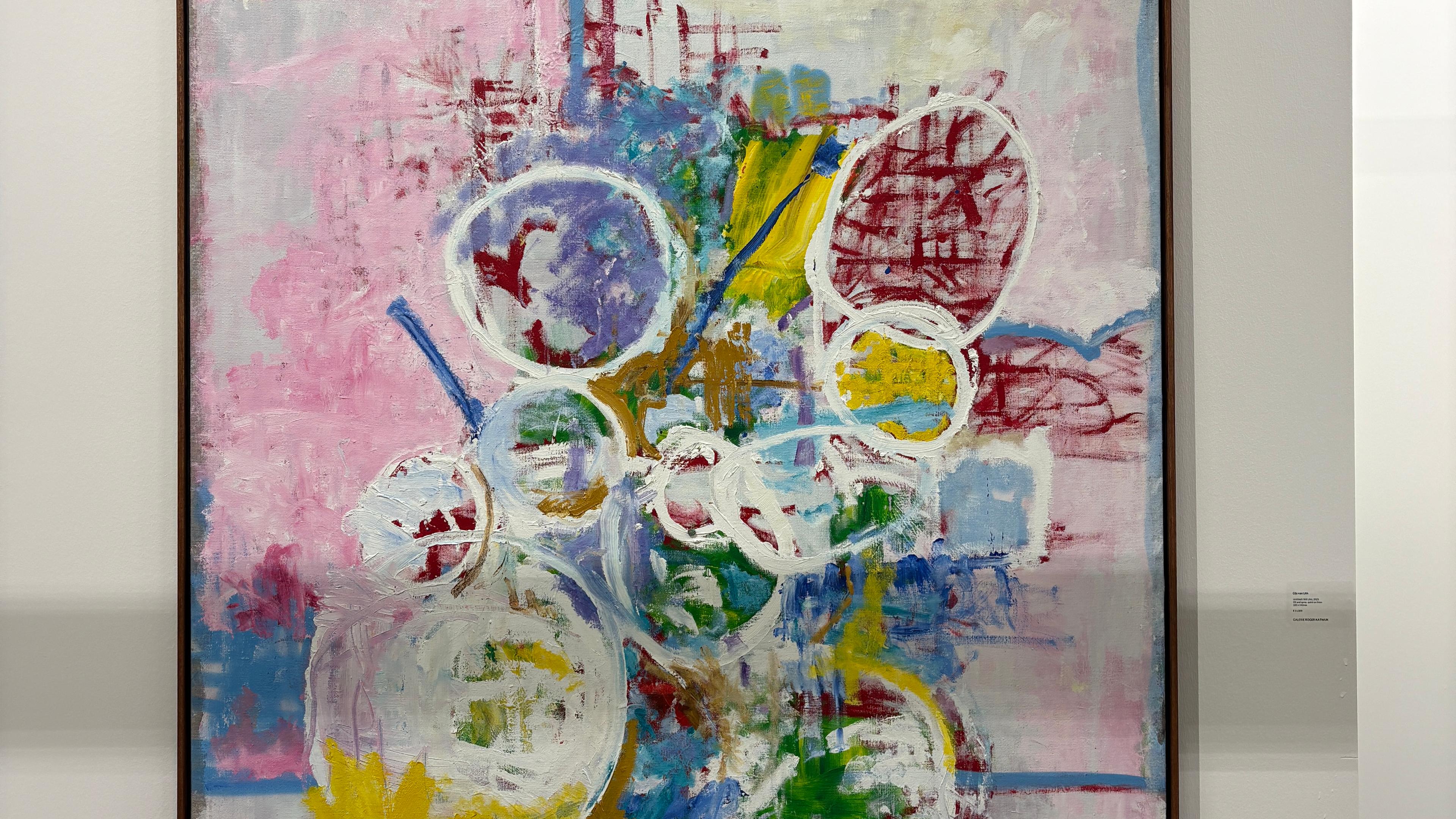
This article is a personal attempt to make sense of contemporary art without pretending expertise or hiding behind complex language. Through the experience of visiting an art fair, it explores how value is constructed, what drives pricing, and the role of galleries, institutions, and the market. It also looks at current trends and artists shaping the visual language of today.
Contemporary art has a strange way of pulling you in. The same object can feel like a sharp reflection of our time and, at the same moment, like a slightly absurd gesture. Sometimes it is both. Think of a urinal placed in a gallery. Or a pile of objects rearranged just enough to become “something else.” Artists borrow from each other, repeat, distort, relocate. Meaning shifts depending on context, caption, and who is looking.
We walk through exhibitions slightly puzzled, taking photos, sending them to friends, asking the same question: what is this actually about? To answer it properly, you would need time, patience, and a certain willingness to stay curious without rushing to conclusions. You need to see a lot, compare, return, and slowly build your own way of reading things.
I have been going to contemporary art exhibitions for years, wherever I happen to be. It does something subtle but important. It stretches your perception and helps you stay connected to a world that is constantly moving, often faster than we can process.
A few days ago, I went to a contemporary art fair in Rotterdam. Part curiosity, part professional instinct. I wanted to see what is currently circulating, what people are buying, and also how my colleagues positioned their own work within that space.
The fair was crowded and slightly chaotic. Black and white photography hung next to highly saturated, almost aggressive paintings. Sculptures spilled onto the floor. Installations interrupted the flow. It was not always easy to navigate, but maybe that is part of the experience. You are not meant to move through it too smoothly.
Since everything was for sale, I kept glancing at the price lists, trying to understand the logic behind them. A playful painting by a young Dutch artist priced at eleven thousand. Nearby, a minimal installation of colored shapes for eight. And then, a muddy, almost deliberately unattractive canvas for twenty. At first glance, there is no clear connection between what you see and what you are asked to pay.
At some point, you realise that the price of contemporary art is not really about immediate visual pleasure. It is about context.
The first and most obvious factor is the artist. Not just their technical ability, but their position within the art world. An artwork like Fountain by Marcel Duchamp was once a provocation. Today, it is a cornerstone of art history. The object did not change, but its meaning did, and with it, its value.
Artists rarely become “expensive” overnight. There is usually a trajectory. Early exhibitions in small galleries, then inclusion in curated shows, attention from critics, institutional recognition. When a work enters a museum collection such as Tate Modern or Museum of Modern Art, it signals a shift. The artist is no longer emerging, they are being written into a larger narrative.
Galleries play a crucial role in this process. They are not just spaces, they are mediators. A gallery like Gagosian Gallery does not simply exhibit works, it builds careers. It shapes how an artist is perceived, which collectors gain access, and how prices evolve over time. In that sense, buying art is also buying into a network.
Scarcity is another important element. A unique painting will almost always be more valuable than a work produced in multiple editions. Even in photography, the size of an edition matters. A print released in five copies carries a very different weight than one produced in fifty. Limitation creates tension, and tension drives value.
Then there is the market itself. Auction houses like Sotheby’s and Christie’s continuously redefine price expectations. Each sale becomes a reference point. Once an artist reaches a certain level at auction, it affects all future transactions. Price, in that sense, becomes self-reinforcing.
Sometimes the logic becomes almost theatrical. Take Comedian by Maurizio Cattelan, a banana taped to a wall. It sounds like a joke, and in a way it is. But it is also a perfectly constructed moment. It plays with attention, media, absurdity, and the boundaries of what we are willing to consider valuable.
Trends in contemporary art are less obvious than in fashion, but they are very real. They are shaped by curators, institutions, collectors, and major events like Art Basel and Frieze Art Fair. These platforms do not just reflect taste, they actively influence it.
Right now, there is a noticeable return to figuration. After years dominated by abstraction, many artists are coming back to the human figure, to narrative, to personal experience. Painters like Avery Singer or Jadé Fadojutimi approach this in very different ways, but the underlying shift is similar. There is a renewed interest in subjectivity.
Identity remains a central theme. Questions of gender, race, and cultural background continue to shape artistic production. Kehinde Wiley, for example, reworks classical compositions in paintings like Napoleon Leading the Army over the Alps, placing contemporary figures into historical frameworks and subtly altering the balance of power.
Digital art is evolving rather than disappearing. The initial excitement around NFTs has cooled, but artists are still actively working with code, artificial intelligence, and virtual environments. The tools are becoming more sophisticated, and so are the questions behind them.
Environmental concerns are also increasingly present. Some works address sustainability directly, using recycled materials or referencing ecological collapse. Others are quieter, more poetic, but still rooted in a sense that something fundamental is shifting in our relationship with nature.
Looking back at that fair in Rotterdam, I realised that once you begin to understand the system behind the artwork, the price becomes less shocking. Not necessarily more “justified” in a simple sense, but more explainable. You are not just looking at an object. You are looking at a position within a complex ecosystem.
Buying contemporary art is always, to some extent, a leap of faith. You are not only acquiring something tangible, you are investing in a possibility. That this artist will matter. That this work will hold its place. That the story will continue to grow.
And maybe that is the point. Contemporary art is not always about immediate beauty or clarity. It is about capturing a moment, a question, a tension. Sometimes awkward, sometimes confusing, sometimes unexpectedly precise.
The more you look, the less urgent it feels to have a definitive answer. Instead, you learn to stay with the uncertainty. To observe, to question, and occasionally, to accept that not everything needs to be resolved right away